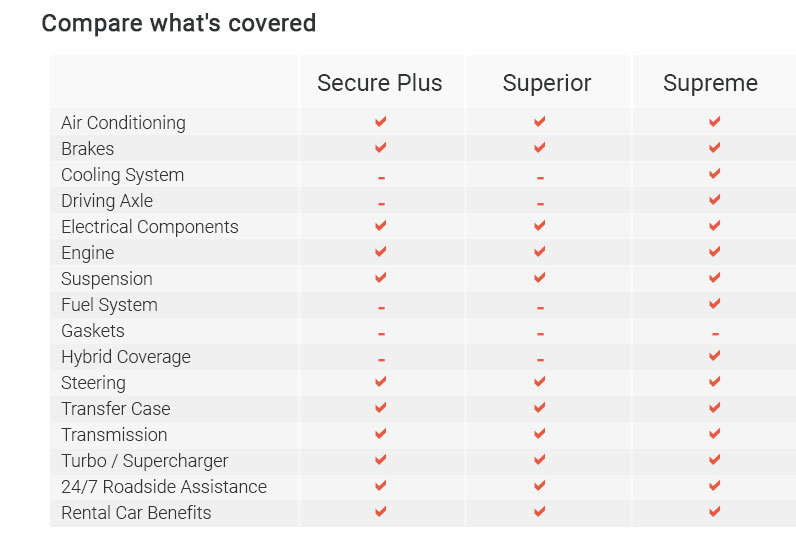
powertrain component warranty decisions that actually matterI read the promises, then I look for cracks. A powertrain component warranty either reduces real risk or it's decoration. I'm not sentimental about it; I want the car to move, and the bill to stay reasonable. What it actually covers (and what it quietly doesn't)Powertrain means the parts that make power and send it to the wheels. Simple statement, messy reality. - Often covered: engine long block, turbo or supercharger housings, oil pump, water pump when engine-driven, transmission or transaxle, torque converter, transfer case, driveshafts, differentials, axle shafts, CV joints, control modules directly tied to power delivery.
- Common exclusions: clutches and friction linings, fluids beyond initial failure diagnosis, belts and hoses, mounts as "wear," sensors labeled "emissions," damage from overheating due to neglected coolant, aftermarket tunes, and anything called "adjustment."
- Hybrids and EVs: drive unit, inverter, reduction gearbox may be in; high-voltage battery is usually separate with its own longer term. Degradation is often not covered, only outright failure.
Where the fine print bites- Deductibles that apply per visit, not per repair line.
- Diagnostics reimbursed only if the component is approved. If not, you pay the testing time.
- Proof of maintenance required - dates, mileage, receipts, the right spec oil. I pause here because one missing receipt can flip a "yes" to a "no."
- Consequential damage denied if deemed preventable. A leaking coolant hose that cooks the head gasket? They may call it neglect.
- Software updates covered only if the part replacement is authorized. Standalone reflashes are often on you.
- Modifications and tunes: even a subtle one can give them a reason to refuse.
A moment from the roadAt 47,800 miles, my AWD coupling started shuddering on tight turns. Not dramatic - just a judder you feel in your seat. The dealer called it a failing rear differential clutch pack; the powertrain component warranty approved the unit, but not the fluid, and I paid a modest deductible. Tow and rental? Not included. Useful, yes. Comprehensive, no. How to decide without wasting a weekend- Confirm eligibility: match the warranty term against your time and mileage horizon. If you'll sell early, transferability matters more than years.
- Read the named components list line by line. If it isn't named, assume it isn't covered.
- Check labor rates and whether your preferred shop is allowed. "National average" caps can leave you paying the difference.
- Note the claim path: pre-auth required? teardown photos? If the process sounds combative, expect friction when you need speed.
- Look for overlap: emissions and HV battery often have separate statutory coverage. Don't double-buy protection you already have.
- Price sanity check: cost should be less than the realistic probability of one major failure times its repair bill, with room for deductible and hassles.
EV and hybrid specifics that change the math- Traction batteries usually carry longer factory coverage; degradation thresholds vary and "capacity loss" is often excluded outside that program.
- Inverters, DC-DC converters, and cooling hardware can be covered under powertrain wording; verify thermal management parts because those failures masquerade as "electrical."
- Noise and vibration in reduction gears may be labeled "characteristic." You need failure, not annoyance.
Quick value lensI estimate the chance of a big-ticket failure and multiply by typical repair cost. If the product price plus deductible and likely excluded ancillaries approaches that figure, I keep my money. If I'm driving high miles, towing, or owning past 100,000 miles, risk rises and the calculus shifts. Documentation checklist- Keep all maintenance receipts with mileage and VIN.
- Use fluids that meet the exact spec; note the bottle labels.
- Photograph dipstick, filters, and odometer during DIY service.
- Record noises and symptoms before the visit; timestamps help.
- Before teardown, get written pre-authorization so labor is covered.
Signals of a strong warranty- Clear named coverage with minimal "wear" loopholes.
- Rental and towing spelled out in miles and dollars, not "as needed."
- Fast claims with a hotline your shop actually answers.
- Transferable with low or no fee - resale value matters.
- Refundable pro-rata if you sell or total the vehicle.
Final takeI'm not buying peace of mind; I'm buying outcomes. If the powertrain component warranty reduces a specific, likely cost on my timeline, I sign. If it relies on perfect records, optimistic approval, and my patience on hold music, I drive without it. The decision is less about promises and more about the experience you can reasonably expect on your worst day with the car. 
|
|